
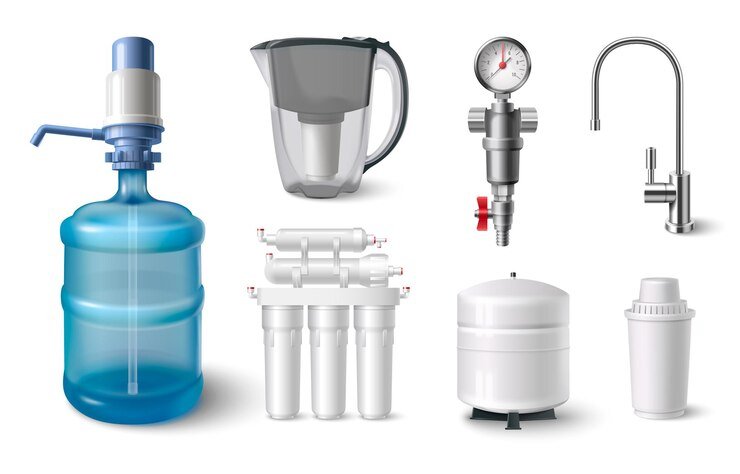
In recent years, water purification has become a vital concern for households around the globe. With rising pollution levels and increasing waterborne diseases, having access to clean and safe drinking water is crucial. Among various water purification methods, Reverse Osmosis (RO) has gained significant popularity for its effectiveness. But what if you could enhance this already efficient process with an added layer of health benefits? Enter the concept of RO systems enriched with the goodness of copper.
What is Reverse Osmosis (RO)?
Reverse Osmosis is a water purification technology that uses a semi-permeable membrane to remove contaminants from water. In essence, water is forced through this membrane under high pressure, leaving impurities such as bacteria, viruses, salts, and other harmful substances behind. The result is purified water that is typically free from most contaminants found in tap water.
The Rise of Copper in Water Purification
Copper has been recognized for its antimicrobial properties for centuries. Ancient civilizations understood the benefits of copper for maintaining health and hygiene. Modern science has validated these ancient beliefs, revealing that copper can kill bacteria and viruses, thus improving water quality. When integrated into an RO system, copper not only enhances the purification process but also adds an extra layer of health benefits.
The Benefits of Adding Copper to RO Systems
1. Antimicrobial Properties
Copper has natural antimicrobial properties that can destroy a broad spectrum of harmful microorganisms. Research indicates that copper surfaces can kill bacteria, viruses, and fungi within a few hours of contact. By incorporating copper into an RO system, you are effectively adding a natural defense mechanism against waterborne pathogens. This feature is particularly valuable in areas where water quality is compromised or where there is a higher risk of contamination.
2. Health Benefits
Drinking water with an appropriate amount of copper can offer several health benefits. Copper is an essential trace element required for various bodily functions, including the formation of red blood cells, maintaining nerve health, and supporting the immune system. A well-balanced level of copper in drinking water can help meet daily copper intake requirements, contributing to overall well-being.
3. Improved Taste and Quality
Copper can also positively influence the taste and quality of water. It can help neutralize odors and unpleasant tastes, providing a more refreshing and clean drinking experience. In areas with hard water, copper can aid in reducing the scaling effect, leading to a smoother taste and better water quality.
How RO Systems with Copper Work
RO systems with copper typically include a copper-infused post-filter or a copper-lined storage tank. Here’s a brief overview of how they function:
- Pre-Filtration: Water first goes through pre-filters to remove larger particles, sediments, and chlorine. This step protects the RO membrane and extends its lifespan.
- Reverse Osmosis: The water is then pushed through the RO membrane, which removes dissolved salts, impurities, and contaminants.
- Copper Infusion: After passing through the RO membrane, the water flows through the copper filter or tank. This step allows the water to interact with copper, which can impart antimicrobial properties and beneficial copper ions.
- Post-Filtration and Storage: Finally, the purified water is stored in a tank. Some systems may include additional post-filters to further enhance taste and purity.
Choosing the Right RO System with Copper
When selecting an RO system with copper, consider the following factors:
- Quality of Copper Integration: Ensure that the copper component is of high quality and has been tested for durability and effectiveness.
- Certification and Standards: Look for systems that meet relevant health and safety standards. Certifications from recognized bodies can provide assurance of the system’s quality.
- Maintenance: Regular maintenance is crucial for any RO system. Check how easy it is to clean or replace the copper components and other filters.
- Capacity and Size: Choose a system that fits your household’s needs. Systems vary in terms of water output and storage capacity.
Conclusion
Incorporating copper into Reverse Osmosis water purification systems offers a compelling blend of advanced technology and ancient wisdom. By leveraging the antimicrobial properties of copper, these systems not only purify water more effectively but also provide additional health benefits. As you explore options for improving your water quality, consider the advantages of an RO system with copper to ensure that your drinking water is as clean and healthful as possible.
Ultimately, the combination of RO technology with the goodness of copper represents a promising advancement in water purification, aligning modern science with time-tested health benefits.